
Vitamin Injection Therapy
How it works...

People get vitamin injections when they need nutrients delivered directly into the bloodstream or muscle instead of taking pills or food. This can help when the body can’t absorb vitamins properly or when levels are very low and need to be corrected quickly.
Reasons to get Vitamin injections
-
Treat vitamin deficiencies, 1 in 5 people have some type of vitamin deficiency.
-
To help with absorption problems (digestive issues like Crohn’s, Celica or Pernicious anemia).
-
Faster results because the vitamins are injected directly into the muscle, bypassing the digestive system where some nutrients can be broken down by stomach acid.
-
To keep vitamin levels normal.
-
Helps with wellness, energy and immunity.
-
Less frequent dosing, you don’t need to remember to take a tablet everyday.
Vitamin B12 Injections
What is Vitamin B12 ?
Vitamin B12 (cobalamin) is an essential nutrient that plays a key role in energy production, red blood cell formation, and neurological function. As this vitamin is water soluble it is not stored in the body meaning this can be administered every 4 weeks.
Potential Benefits
-
Supports energy levels and reduces fatigue
-
Aids concentration and mental clarity
-
Helps with brain fog and confusion
-
Improves mood
-
Supports healthy nerve function
-
Helps prevent or address B12 deficiency
Who may benefit ?
-
Individuals experiencing fatigue or low energy
-
Those following vegetarian or vegan diets
-
People with absorption issues
Important - If you are taking Vitamin B12 supplements or multi vitamins that contain Vitamin B12 these need to be stopped 2 weeks prior to receiving a Vitamin B12 injection - too much Vitamin B12 can cause health implications.


Contraindications:
Anyone who has the following would not be able to have a Vitamin C injection administered unless they have GP approval.
• Kidney & liver problems
• Heart problems or conditions
• Diabetes
• Cancer
• Allergies to the product
• Pregnancy/breastfeeding
• Anyone undergoing medical treatment
The same goes for certain medications as these could react with the supplement:
• Antibiotics
• Aspirin and nonsteroid anti-inflammatory drugs
• Acetaminophen
• Aluminium
• Chemotherapy frugs
• Oral contraceptives/HRT
• Protease inhibitors
• Prolixi
• Statin and niacin
• Tetracycline
• Warfarin
Vitamin C Injections
What is Vitamin C ?
Vitamin C (ascorbic acid) is a powerful antioxidant that supports immune function and collagen production. As this vitamin is water soluble it is not stored in the body meaning this can be administered every 4 weeks.
Potential Benefits
-
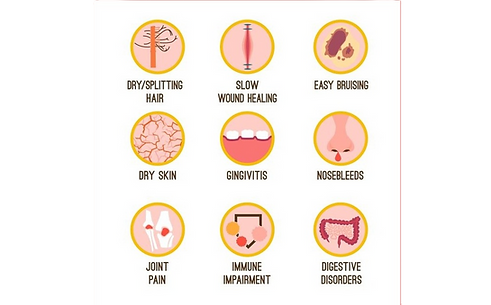
Strengthens immune support
-
Promotes healthy skin and collagen production
-
Supports wound healing
-
Provides antioxidant protection
-
Helps reduce tiredness & fatigue
-
Supports overall wellbeing & skin vitality
Who may benefit ?
-
Individuals seeking immune support
-
Those with dull or tired-looking skin
-
People under high physical or mental stress
-
Persistent tiredness or low energy
Important - If you are taking Vitamin C supplements or multi vitamins that contain Vitamin C these need to be stopped 2 weeks prior to receiving a Vitamin C injection- too much Vitamin C can cause health implications.

Contraindications
Anyone who has the following would not be able to have a Vitamin C injection administered unless they have GP approval.
• Kidney & liver problems
• Heart problems or conditions
• Diabetes
• Cancer
• Allergies to the product
• Pregnancy/breastfeeding
• Anyone undergoing medical treatment
The same goes for certain medications as these could react with the supplement:
• Antibiotics
• Aspirin and nonsteroid anti-inflammatory drugs
• Acetaminophen
• Aluminium
• Chemotherapy frugs
• Oral contraceptives/HRT
• Protease inhibitors
• Prolixi
• Statin and niacin
• Tetracycline
• Warfarin
Vitamin D3 Injections
What is Vitamin D3 ?
Often called the “sunshine vitamin,” Vitamin D is essential for bone health, immune regulation, and mood balance. 1 in 5 people in the UK have a vitamin D deficiency. Unlike other vitamin injections the Vitamin D3 is fat soluble meaning it is stored in the bodies tissues ad fat cells where it remain active ad dispersed over time when needed. For this reason these injections only need to be administered every 6 months.
Potential Benefits
-
Supports strong bones and teeth
-
Enhances immune system function
-
May support mood and overall wellbeing
-
Enhances muscle function
-
Helps reduce fatigue and low energy levels
Who may benefit ?
-
Individuals with low Vitamin D levels
-
Those with limited sun exposure
-
People experiencing low mood or fatigue
Important - If you are taking Vitamin D supplements or multi vitamins that contain Vitamin D these need to be stopped 4 weeks prior to receiving a Vitamin D injection- too much Vitamin D can cause health implications.


Contraindications
Anyone who has the following would not be able to have a Vitamin D injection administered unless they have GP approval.
• Kidney & liver problems
• Heart problems or conditions
• Diabetes
• Cancer
• Allergies to the product
• Pregnancy/breastfeeding
• Anyone undergoing medical treatment
The same goes for certain medications as these could react with the supplement:
• Aluminium
• Anticonvulsants
• Atorvastatin
• Calcipotriene
• Cholestryramine
• Cytochrome P-4503A4
• Digoxin
• Diltiazem
• Orlistat
• Steroids
• Laxatives
• Thiazide diuretics
• Verapamil
Biotin Injections
What is Biotin ?
Biotin (Vitamin B7) is a B-complex vitamin that supports healthy hair, skin, and nails. As this vitamin is water soluble it is not stored in the body meaning this can be administered every 4 weeks. The body uses 85-95% of the biotin injection.
Potential Benefits
-
Supports hair strength and growth by helping to support keratin production
-
Promotes healthy skin by supporting cell renewal
-
Strengthens nails
-
Aids metabolism of fats and carbohydrates
Who may benefit ?
-
Individuals experiencing hair thinning
-
Those with brittle nails
-
People wanting additional beauty and wellness support
Important - If you are taking a Biotin supplements these need to be stopped 2 weeks prior to receiving a Biotin injection- too much Biotin can cause health implications.


Contraindications
Anyone who has the following would not be able to have a Vitamin B7 injection administered unless they have GP approval.
• Kidney & liver problems
• Heart problems or conditions
• Diabetes
• Cancer
• Allergies to the product
• Thyroid issues
• Pregnancy/breastfeeding
• Hormonal Issues
• Anyone undergoing medical treatment
The same goes for certain medications as these could react with the supplement:
• Anisindione
• Ceftibuten
• Colesevelam
• Primidone
• Bortezomib
• Cephalexin
• Paforlocianine
• Sevelamer
• Capecitabine
• Cephradine
• Phenobarbital
• Tetracycline
• Carbamazepine
• Cholestyramine
• Phenytoin
• Warfarin
What to Expect
-
A short consultation prior to treatment.
-
Quick intramuscular injection (typically takes only a few minutes).
-
Minimal downtime.
-
Treatment plans tailored to your individual needs.
-
All injections are administered by a qualified professional following a full consultation. We recommend discussing your medical history, current medications, and any underlying conditions prior to treatment.
-
If you’re unsure which vitamin injection is right for you, our team can guide you through the best option based onyour health goals.
Book your appointment today and take the next step towards supporting your health and wellbeing.
*If any contraindications apply, we won’t be able to carry out the treatment. Please take a moment to read the pre‑care advice before arranging your vitamin injection.*